New York, NY · Enterprise Salesforce expertise+1 (347) 254 7642
A Salesforce partner for consumer goods in New York City has to understand brands that sell three ways at once. A beauty company in SoHo sells to department stores, ships to specialty boutiques, and runs its own online store. A fashion label in the Garment District takes wholesale orders at market week while selling direct to customers on Instagram. A Brooklyn food brand works with distributors, grocery chains, and a subscription box. Each channel has its own data, its own people, and its own systems. Zivoke helps consumer goods brands across New York City and the metro bring those channels together in Salesforce.
We design around the way your teams actually sell: account managers who handle retail buyers, sales reps who visit stores, ecommerce teams who run your site, and customer care staff who answer shoppers. One shared view of accounts, products, orders, and customers lets everyone work from the same facts.
Consumer goods companies use Salesforce across the whole path from brand to buyer. A complete design usually covers:
New York brands often move fast, launch frequently, and work with lean teams. A good setup gives each team what it needs without forcing a large program on a company that is still growing.
As Salesforce consultants for consumer goods in NYC, we work with brands at different stages.
Emerging brands moving beyond spreadsheets and email as wholesale accounts and online orders grow.
Established brands with several channels, regional sales teams, and older systems that no longer talk to each other.
Brands with a retail and wholesale mix that need one view of a customer who buys in stores, online, and through partners.
Brands entering new markets that need territory, distributor, and partner management.
Signs your brand needs a better CRM:
Our Salesforce for CPG companies in New York City work covers strategy, setup, integration, and support, scaled to the size of your brand.

Accounts, buyers, opportunities, line sheets, and seasonal pipelines, configured around your selling calendar and retail partners.
Online ordering for retail partners through Salesforce B2B Commerce or an integrated ordering tool, so buyers reorder without emailing a rep.
Mobile visit plans, store checks, merchandising photos, and follow-up tasks for reps covering boutiques and stores.
Integration with your online store, customer profiles, and Service Cloud for shopper questions, returns, and order issues.
Connections to your ERP, order management, warehouse, and EDI systems, so orders, inventory, and invoices stay in step. See our Salesforce integration services in New York City.
Unified customer profiles with Data Cloud and connections to your email and marketing tools.
Ongoing admin, enhancements, and training as you add channels and markets. See our Salesforce managed support services in New York City.
Wholesale is the backbone of many New York brands, and it is where account knowledge most often lives in people's heads. Salesforce for consumer goods NYC projects usually start here.
Reps and account managers see what each partner buys, what is open, and what was promised, so conversations with buyers start from facts.
Selling through department stores, specialty shops, and distributors means managing relationships at several levels: headquarters buyers, regional managers, and individual stores. Salesforce can model all of them.
For brands that also run their own stores, our Salesforce for retail in New York City page covers point-of-sale and store operations in more detail.
Many New York brands started online, and Salesforce for DTC brands in New York has to connect the online store to everything else.
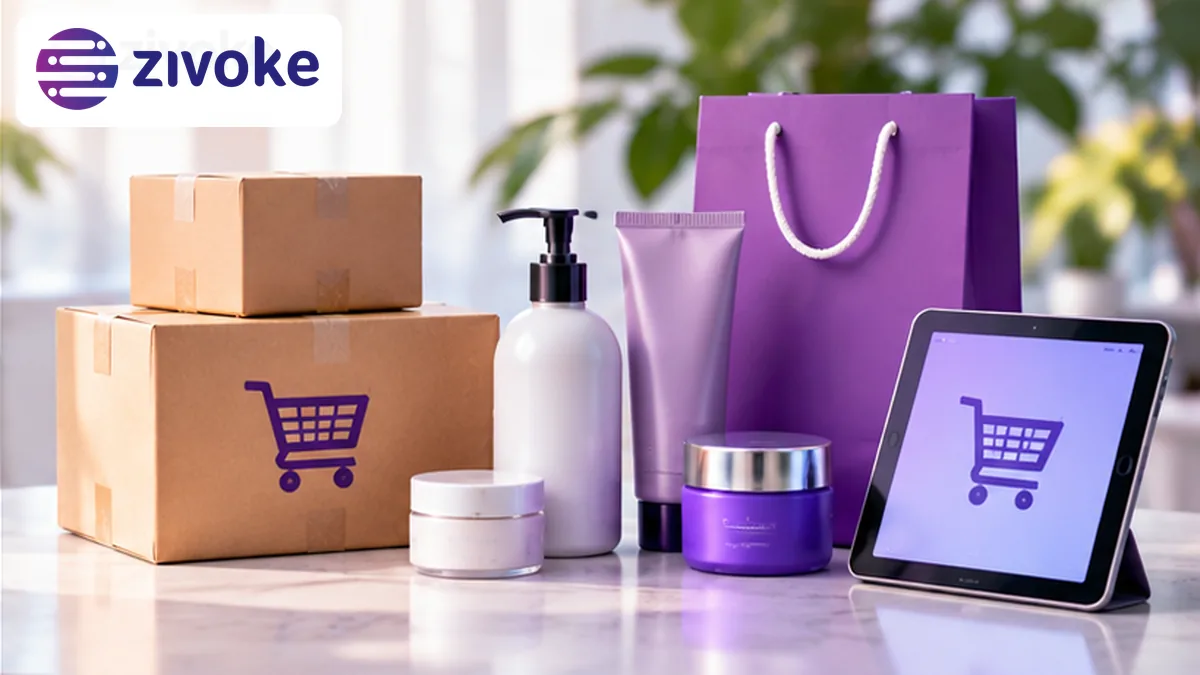
Most DTC brands keep their ecommerce platform, such as Shopify, and connect it to Salesforce rather than replace it. We design the integration so each system does what it does best.
Salesforce for New York beauty brands often means managing department-store counters, beauty retailers, salon or spa partners, and a strong online business, plus influencer and sampling programs. We model each channel and track launches across all of them.
Salesforce for fashion and apparel brands in NYC centers on seasons, collections, line sheets, market weeks, and wholesale orders, alongside DTC sales and showroom appointments. We configure the selling calendar so pipeline and orders line up with each season.
Consumer goods companies change products often. New colors, sizes, scents, and seasonal items arrive constantly, and every team needs the same, current information.
Keeping the product source of truth in one system, usually the ERP or product information system, avoids mismatched prices and descriptions across channels.
Consumer goods data lives in many places. Integration is what makes Salesforce useful for brands.
We commonly connect Salesforce to:
Each integration has a written data contract naming the owner of each field, how often data moves, and what happens on failure. Inventory and order status usually stay owned by the ERP or order management system and appear read-only in Salesforce.
Brands with both wholesale and DTC channels often know a lot about their customers but cannot use it, because the data is split across systems. Data Cloud brings it together.
Businesses holding private information about New York residents fall under the NY SHIELD Act's data security requirements. We are Salesforce specialists, not lawyers, and we do not give legal advice. Your team decides what applies; we build access controls, consent tracking, and security to support it.
Brands live by their calendar. A system change during market week or the holiday rush can cost orders. We map your calendar during discovery and plan releases around it.
| Period | What is usually happening | Project approach |
|---|---|---|
| Market weeks and trade shows | Buyer appointments, line reviews, wholesale orders | No changes to order capture or accounts |
| Product launches | Partner sell-in, marketing pushes, DTC demand | Freeze related processes; support on standby |
| Holiday season | Peak DTC orders, retail replenishment, returns | No major releases; service focus |
| Post-holiday | Returns, chargebacks, planning next season | Clean-up and design work |
| Between seasons | Lower order volume | Preferred window for go-lives and migrations |
Fashion brands often follow two or four seasons a year, beauty brands follow launch cycles, and food brands follow retailer reset schedules. We build the plan around your real dates and schedule training when reps and account managers can attend.
These examples show the shape of common requests. They are composites, not named client results.
A skincare brand in SoHo sells through specialty retailers and its own Shopify store. Wholesale orders arrive by email, and the customer care team cannot see whether a shopper also bought from a retail partner. Account managers move to Sales Cloud with seasonal pipelines, Shopify connects to Salesforce for customer and order data, and Service Cloud gives care agents the order history on screen.
A Garment District label takes most wholesale orders during a few market weeks a year, using paper order forms and spreadsheets. A tablet-friendly order capture process in Salesforce records showroom appointments, styles, quantities, and delivery windows, and orders flow to the ERP the same day instead of a week later.
A specialty food maker sells through regional distributors and directly to independent grocers. Reps visit stores but have no record of shelf checks or reorders. Mobile visit plans with store checks and photos, plus distributor and account hierarchies, show where products sit on shelves and which stores are due to reorder.
A home goods brand with a trade program wants interior designers and boutiques to reorder without calling. A B2B ordering portal shows each trade account its prices, order history, and stock, and reps spend their time on new accounts instead of order entry.
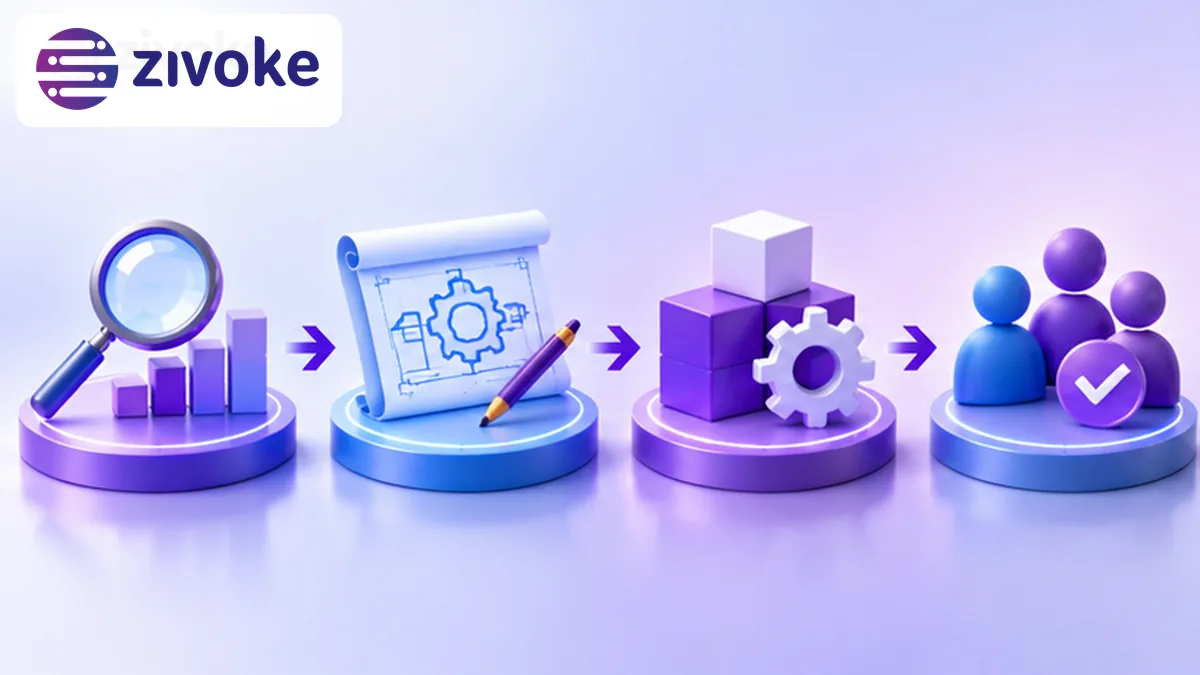
We follow four stages, sized to your brand.
interviews with sales, ecommerce, operations, and customer care, plus a review of current systems and data.
the data model, channel processes, integrations, and reports agreed with each team.
configuration, integrations, and migration in a sandbox, tested with real scenarios.
training by role, a go-live outside peak selling periods, and support afterwards.
Many brands start with wholesale and key accounts, then add DTC service, B2B ordering, or Data Cloud in later phases. We plan go-lives away from market weeks, major launches, and the holiday season. With access granted and scope agreed, work can start within three days.
A good consumer goods org shows up in time saved and better decisions. Reps spend less time chasing order status. Account managers walk into buyer meetings with full history. Leadership sees channel performance without a manual report. We agree measures at the start, such as order processing time, reorder rate, and adoption, and report against them.
An example of our process-focused Salesforce work is the solution we built for AstroLabs, a Dubai-headquartered firm that helps companies establish themselves in Saudi Arabia. Zivoke built its EnterKSA tracking solution on Sales Cloud and Community Cloud, covering more than thirty steps, with a structured data model, automation, KPI reporting, and a portal where clients follow their progress. It ran from October 2022 to May 2023; the AstroLabs case study has the details. That was not a consumer goods project, but it shows the same discipline we bring to brands: clear data, reliable automation, and a portal outside partners can use. Client reviews are on our Clutch profile.
Consumer goods brands choose a Salesforce partner that moves at their pace and understands multi-channel selling. Zivoke is a New York-based Salesforce partner, our team holds certifications across Sales Cloud, Service Cloud, Experience Cloud, CPQ, and development, and our work is reviewed independently on Clutch.
Our certifications include:
What you get:
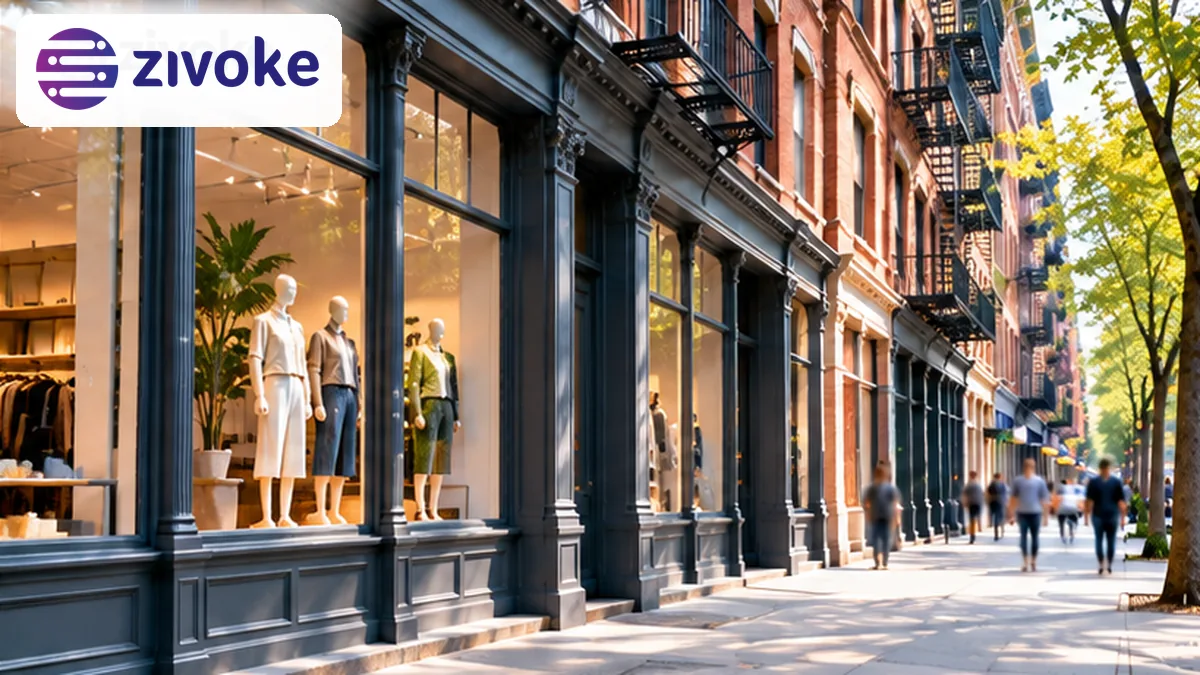
Different consumer goods categories use Salesforce in different ways.
| Brand type | Typical Salesforce focus |
|---|---|
| Beauty and personal care | Department store and specialty retail accounts, launches, DTC service |
| Fashion and apparel | Seasons, line sheets, market weeks, wholesale and DTC |
| Food and beverage | Distributors, grocery accounts, promotions, field visits |
| Home goods and furniture | Trade accounts, showrooms, B2B ordering |
| Wellness and supplements | Subscriptions, DTC service, retail partners |
| Jewelry and accessories | Boutique accounts, consignment, clienteling |
We work with brands across Manhattan, Brooklyn, Queens, the Bronx, and Staten Island, and across Westchester, Long Island, the Hudson Valley, and Northern New Jersey. Discovery workshops work best in person, so we visit your office, showroom, or warehouse. Build and testing are mostly remote. We work on Eastern Time and plan around your selling calendar.
Tell us how your wholesale, retail, and direct-to-consumer teams work today. We will show you how Salesforce could give them one view of accounts, products, and customers, on a timeline that fits your selling calendar.
Book a free scoping call