New York, NY · Enterprise Salesforce expertise+1 (347) 254 7642
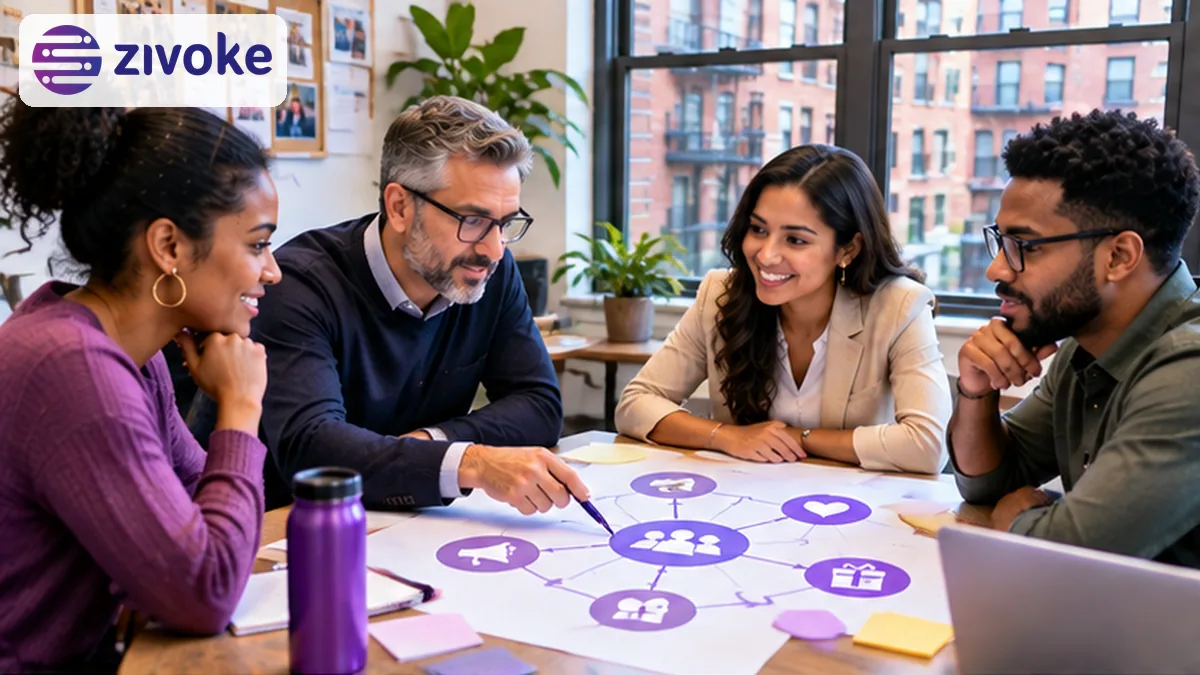
Salesforce for nonprofits in New York City has to stretch further than in most places. The city is home to a remarkable range of mission-driven organizations: human services agencies in the Bronx, arts and cultural institutions in Midtown and Brooklyn, foundations on Park Avenue, advocacy groups, health charities, and youth programs in every borough. Each competes for the same donors, the same grants, and the same staff time. Zivoke helps New York nonprofits use Salesforce to raise more, report better, and spend less time on admin.
We work with both Nonprofit Cloud, Salesforce's current product for nonprofits, and the Nonprofit Success Pack (NPSP), which many organizations still run. Whether you are setting up Salesforce for the first time, cleaning up an org a volunteer built years ago, or moving from NPSP to Nonprofit Cloud, we design it around your mission and your team's real capacity.
Organizations use Salesforce for nonprofits to manage relationships with everyone who supports or benefits from their work. A complete setup usually covers:
The aim is one record for each person, so a volunteer who later donates and then joins the board appears once, with their full history. That single view is what lets small teams build lasting relationships with supporters.
We set up Salesforce CRM for nonprofits in NYC for organizations of many sizes and missions.
Human services agencies delivering housing, food, workforce, and family programs, often funded by city contracts and private grants.
Arts and cultural institutions with members, patrons, ticket buyers, and major donors.
Foundations that need to manage applications, reviews, awards, and grantee reporting.
Advocacy and membership organizations that track members, campaigns, and supporter actions.
Health and research charities with donors, events, and patient or community programs.
Youth and education nonprofits running after-school, mentoring, and college-access programs.
Signs your nonprofit has outgrown its current system:
Our work for Salesforce for New York nonprofit organizations covers setup, migration, integration, and ongoing support, scaled to your budget and staff.
Design and configuration of Nonprofit Cloud for fundraising, grants, programs, and volunteers, using the standard features wherever possible to keep the org simple to run.
For organizations staying on NPSP for now, we fix data quality, simplify customizations, rebuild reports, and train staff so the existing org works properly.
A planned move from NPSP to Nonprofit Cloud, with data mapping, testing, and a cutover timed away from your busiest fundraising periods.
Moving donors, gifts, and history from older databases, spreadsheets, or other donor management tools, with deduplication and reconciliation of totals.
Connections to online giving and payment processors, email and marketing tools, event and ticketing platforms, accounting systems, and wealth-screening services. See our Salesforce integration services in New York City.
Experience Cloud portals for grant applicants, grantees, volunteers, or program participants.
Role-based training for development, program, and finance staff, plus ongoing support. See our Salesforce managed support services in New York City.
Salesforce Nonprofit Cloud NYC projects are now the starting point for most new nonprofit setups. Nonprofit Cloud is Salesforce's current product for nonprofits, built on the core platform rather than as a separate managed package.
| Area | What Nonprofit Cloud supports |
|---|---|
| Fundraising | Gifts, recurring giving, commitments, campaigns, and donor relationships |
| Grantmaking and grants | Funding applications, reviews, awards, and reports |
| Program management | Programs, services, participant enrollment, and attendance |
| Outcome management | Measuring results against program goals |
| Volunteer management | Volunteer roles, shifts, and hours |
| Engagement | Events, communications, and supporter journeys |
Because Nonprofit Cloud sits on the core platform, it works more naturally with newer Salesforce features such as Data Cloud and Agentforce. For a new organization or a fresh start, it is usually the right choice. We still configure only what you will use, so a small team is not overwhelmed.
Many New York nonprofits run Salesforce NPSP in New York City today. The Nonprofit Success Pack has served the sector for years, and an NPSP org that is well looked after can keep working well. The question is not whether NPSP still functions, but whether it is the best foundation for your next few years.
We help NPSP organizations in two ways:
For organizations that choose NPSP for a specific reason, we still provide nonprofit success pack implementation in NYC, configured to current practice and documented so a future move is straightforward.
A migration from NPSP to Nonprofit Cloud is a real project, not a switch. Data has to be mapped, automations rebuilt, and reports recreated. We plan it in phases and time the cutover for a quiet period, usually well away from the last quarter of the year.
Fundraising is where most organizations feel the benefit of Salesforce for nonprofits first.

For New York organizations, year-end giving can bring in a large share of annual revenue in a few weeks. We make sure gift entry, receipts, and reporting work smoothly well before that period begins.
Grants work runs in two directions, and Salesforce supports both.
For nonprofits that seek grants: track funders, applications, deadlines, awarded amounts, restrictions, and reporting due dates, with reminders before each one. Program and finance staff see what was promised to each funder.
For foundations that award grants: Salesforce for foundations in New York manages application intake through a portal, eligibility checks, review and scoring, committee decisions, award letters, payments, and grantee reporting. Applicants and grantees see only their own records.
Both sides benefit from linking grants to programs and outcomes, so reports to funders draw on the same data staff already use day to day.
Many New York nonprofits deliver services to thousands of people a year. Tracking that work well is important for participants, for funders, and for city contracts.
Program data is often the most sensitive data a nonprofit holds, so we design access rules with program leaders before anything is built.
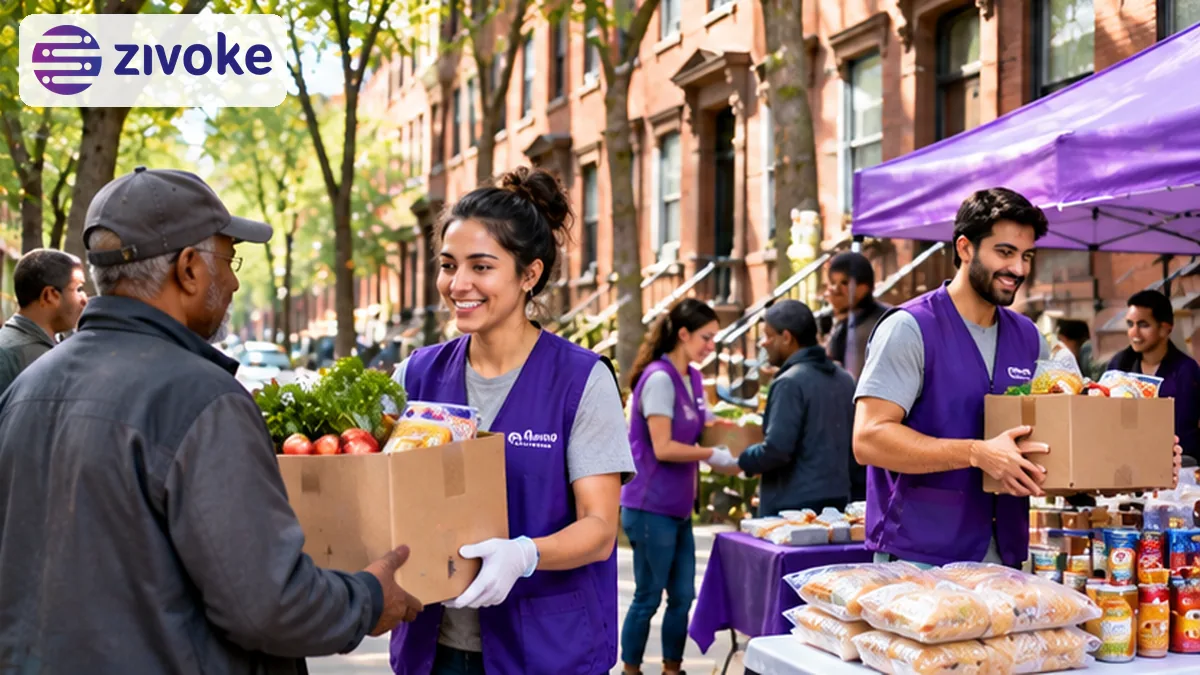
Volunteers are central to many New York nonprofits, from food pantries to museum docents. Salesforce can manage:
A volunteer portal lets people sign up for shifts and update their details without staff doing it for them.
Nonprofits hold personal information about donors, volunteers, and often vulnerable participants. Businesses and organizations holding private information about New York residents fall under the NY SHIELD Act's data security requirements, and charities registered in New York report to the state's Charities Bureau.
We are Salesforce specialists, not lawyers, and we do not give legal advice. Your leadership and counsel decide what applies. We build Salesforce to support good practice:
Timing can make or break a CRM project for a mission-driven organization. A change in the wrong month can disrupt gift entry when donations peak or delay reports a funder is waiting for. We map your calendar during discovery and plan every release around it.
| Period | What is usually happening | Project approach |
|---|---|---|
| Late summer to early fall | Planning appeals, gala season begins | Discovery, design, and sandbox builds |
| October to December | Year-end appeals and Giving Tuesday | Freeze changes to gift processing |
| January | Year-end receipts, tax letters, annual reports | Support only; no major releases |
| February to April | Grant applications, spring events | Releases for programs or volunteers |
| May to June | Fiscal year-end for many organizations, galas | Careful, smaller releases |
| Summer | Quieter period for many teams | Preferred window for migrations and go-lives |
Calendars differ. A museum's busy season is not the same as a food bank's, and a foundation's grant cycle may follow its board meetings. We build the plan around your dates, not a generic one, and we schedule training when staff can attend.
These examples show the shape of common requests. They are composites, not named client results.
An agency in the Bronx runs housing, workforce, and youth programs, each with its own spreadsheet. Funders ask for unduplicated counts of people served, and staff spend weeks reconciling lists. A single participant record with program enrollments and service logs gives an accurate count in minutes, and city contract reports draw on the same data.
A performing arts group keeps ticketing, membership, and donations in separate tools. The development team cannot see which subscribers might become donors. Integrating the ticketing platform with Salesforce puts attendance, membership, and giving on one record, and gift officers build prospect lists from real engagement.
A family foundation handles applications by email and tracks reviews in a shared document. An applicant portal collects proposals and budgets, reviewers score them inside Salesforce, and the board sees a summary for each meeting. Grantees submit reports through the same portal.
A mentoring program inherited a heavily customized org from a volunteer developer. Reports break, and nobody knows which fields matter. A clean-up removes unused fields and code, fixes household data, rebuilds the key dashboards, and leaves a short guide the program director can follow.
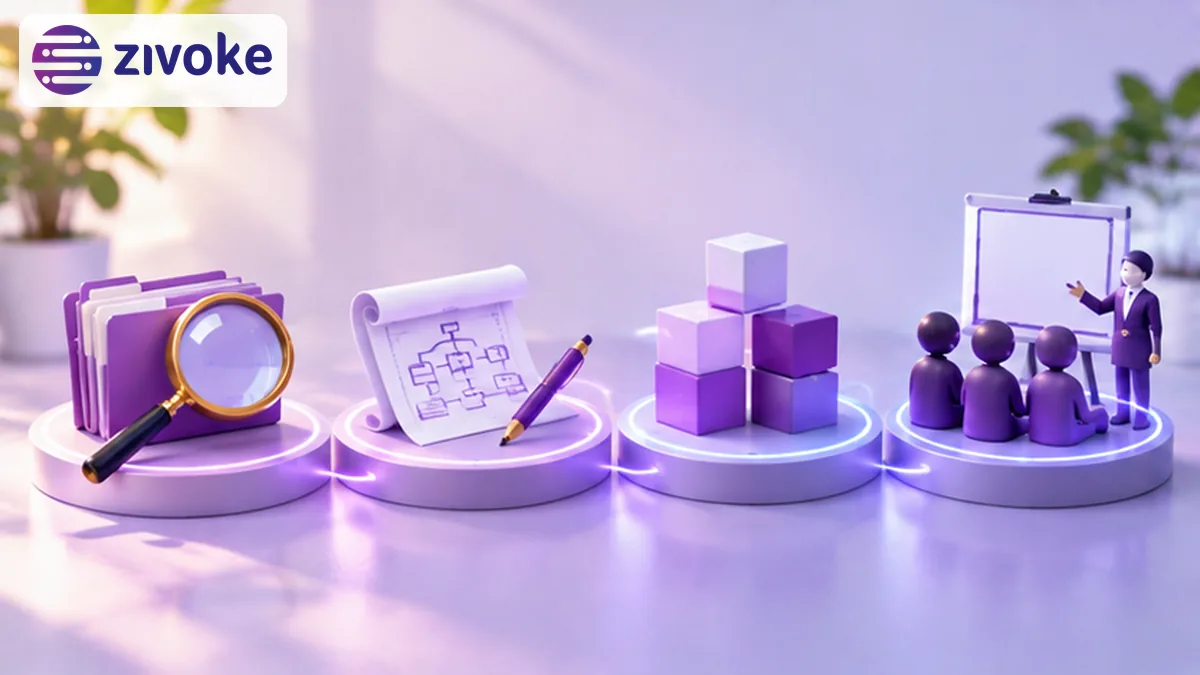
We follow four stages, sized to your organization.
interviews with development, program, and finance staff, and a review of current systems and data.
the data model, processes, integrations, and access rules agreed with each team.
configuration, integrations, and migration in a sandbox, tested with real staff scenarios.
role-based training, a go-live outside busy fundraising periods, and support afterwards.
Smaller organizations often start with fundraising alone and add programs or volunteers later. Larger ones may run several workstreams in parallel. Either way, we plan around year-end giving, galas, and grant deadlines. With access granted and scope agreed, work can start within three days.
A good nonprofit org shows up in staff time and supporter relationships. Gift processing takes minutes instead of hours. Year-end reports are ready on time. Program staff stop entering the same data twice. We agree measures at the start, such as donor retention, time spent on gift entry, and report preparation time, and report against them.
An example of our process-focused Salesforce work is the solution we built for AstroLabs, a Dubai-headquartered firm that helps companies establish themselves in Saudi Arabia. Its EnterKSA service tracks clients through more than thirty steps across several government bodies. Zivoke built it on Sales Cloud and Community Cloud, with a phase-by-phase data model, automation for dates and reminders, KPI reporting, and a portal where clients follow their progress. It ran from October 2022 to May 2023; the AstroLabs case study has the details.
That was not a nonprofit project, but the pattern is close to grants management and program delivery: many steps, several people involved, deadlines to track, and outside parties who need to see their own status. Client reviews are on our Clutch profile.
Nonprofits choose a Salesforce partner that respects their budget and their staff's time. Zivoke is a New York-based Salesforce partner, our team holds certifications across administration, app building, development, and Experience Cloud, and our work is reviewed independently on Clutch.
Our certifications include:
What you get:
Different nonprofits need different things from Salesforce.
| Organization type | Typical Salesforce focus |
|---|---|
| Human services agencies | Programs, case management, outcomes, contract reporting |
| Arts and cultural institutions | Members, patrons, events, major gifts |
| Foundations | Grant applications, review, awards, grantee reporting |
| Advocacy and membership groups | Members, campaigns, supporter actions |
| Health and research charities | Donors, events, community programs |
| Youth and education nonprofits | Participants, attendance, mentors, outcomes |
We work with nonprofits across Manhattan, Brooklyn, Queens, the Bronx, and Staten Island, and across Westchester, Long Island, the Hudson Valley, and Northern New Jersey. Discovery workshops work best in person, so we visit your office or program sites. Build and testing are mostly remote. We work on Eastern Time and plan every milestone around your fundraising calendar.
Tell us how your development, program, and volunteer teams work today. We will show you how Salesforce, whether Nonprofit Cloud or NPSP, could give you one view of every supporter and more time for your mission.
Book a free scoping call